Semoce EDA
Coming soon

We are building an original EDA suite — and, with it, the silicon for the next generation of intelligent systems.
Coming soon
Built · in testing
Coming soon
Coming soon
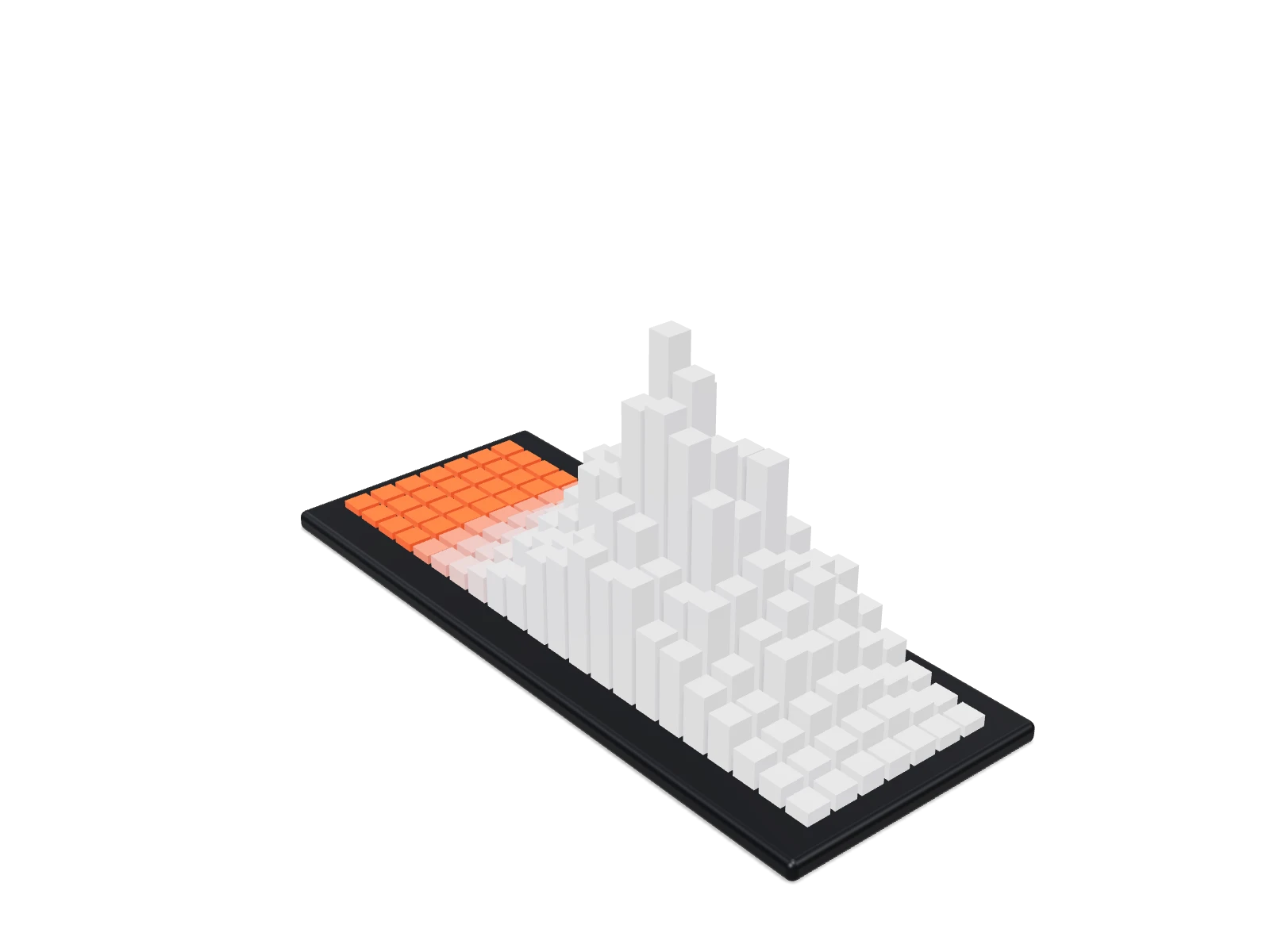
agni, sutra and kala are original engines in native C++, sharing Liberty libraries and handing off through standard netlist and DEF formats.
Native Qt5 viewers ship with the engines: a schematic view for agni and a layout view for sutra, with per-layer visibility.
Read moreBatch TCL for CI, or an interactive shell by typing the tool name. Familiar commands, JSON reports for pipelines.
Read moreEvery engine is checked against an independent reference — iverilog for synthesis, OpenSTA for timing, Magic and Netgen for signoff. We publish what the reference measures, not what we hope.
Read moreVerilog in, a placed, routed, timing-analysed layout out — on commodity Linux, with no license server.
Start from Verilog RTL — the same source you simulate today.
Technology-independent optimisation, then NPN truth-table mapping to your standard-cell library.
Area, timing and power reports, with a native Qt5 schematic viewer.
Core rows, I/O pins, power grid, well-tap and filler insertion.
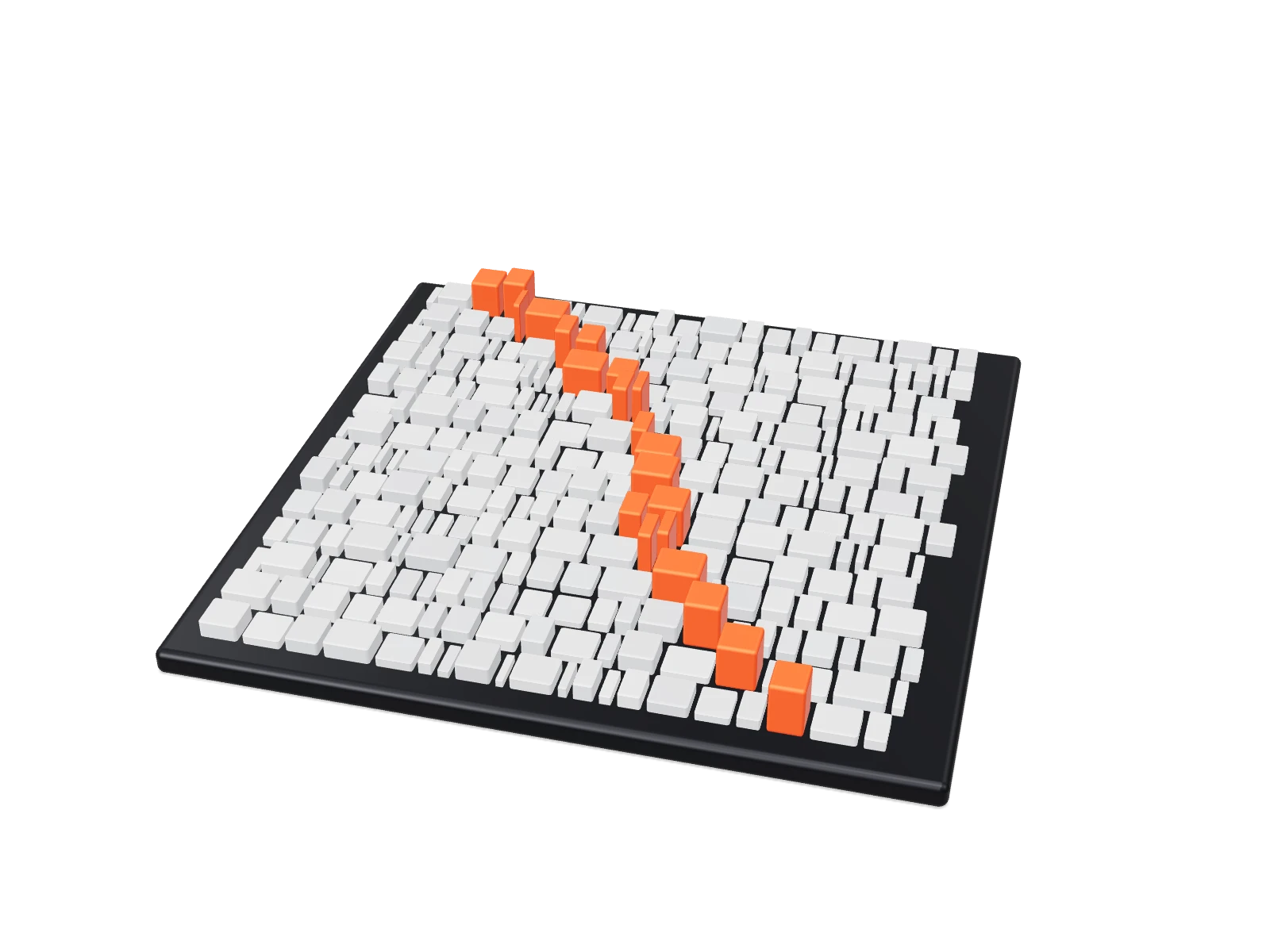
Simulated-annealing placement with timing-driven net weights and a strict legality gate.
H-tree clock-tree synthesis and buffer insertion.
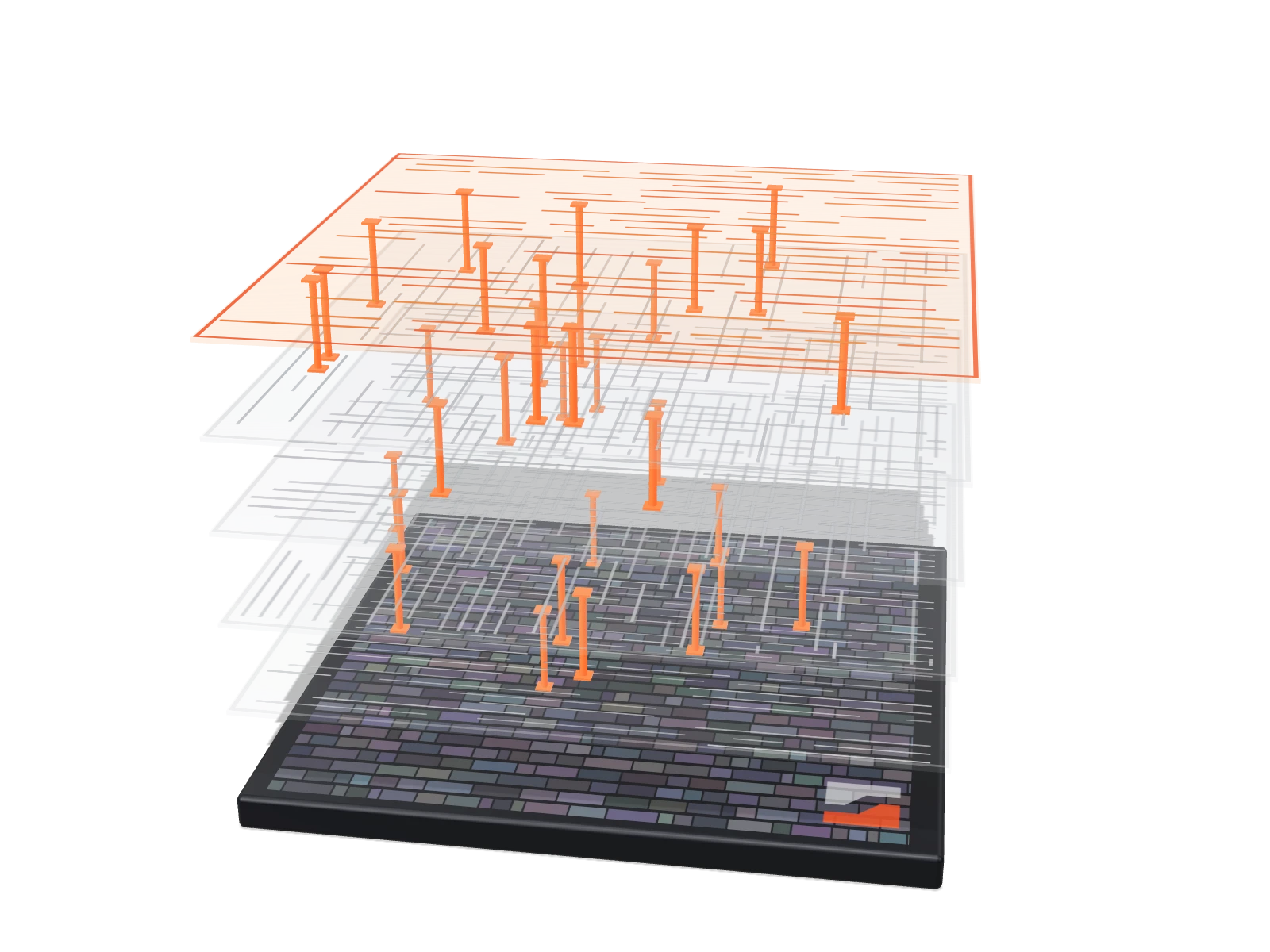
Negotiated-congestion detailed routing on a real metal stack, with DEF output.
Slew-aware NLDM delays, SPEF back-annotation, multi-corner analysis, WNS and TNS.
Stream out GDSII, then sign off with Magic DRC and Netgen LVS.
Illustrative output · Semoce EDA is in development
Tools come first. These are the markets our silicon will target once our tools have carried designs to tape-out.
Deterministic, low-latency control loops for motors and actuators.
Low-power NPU silicon: the long-term goal our tools are built for.
Hardened logic and error-tolerant memory for life in orbit.
Fusing camera, radar and lidar data in real time.
Microwatt-class silicon that runs for years on a battery.
The next generation of chips will be designed by small, fast teams — if they have the right tools. We are building those tools first, then proving them in silicon.
Semoce EDA reads and writes the formats engineers already use, and runs on the open process kits — so nothing you build is locked in.
Let's collaborateTalk to the team about Semoce EDA or your design.
Guides and command reference for agni, sutra and kala.
Quick answers on status, platforms and PDKs.
Semoce EDA is our RTL-to-GDSII suite: agni for synthesis, sutra for place & route and kala for static timing. The engines are written from scratch in native C++ — they don't wrap other flows.
agni is built and in testing now; sutra and kala are in development. Join the waitlist and we'll let you know as each engine is released.
Linux x86-64. The engines are command-line tools with TCL scripting and an interactive shell; the GUI viewers use Qt5.
Semoce EDA targets the open SKY130 and GF180MCU process kits, and reads any standard Liberty, LEF and GDS — so other foundry kits can be plugged in.
Not yet. Silicon is the second half of our plan: once Semoce EDA has taken designs to tape-out, we'll use it to build our own chips.